System Failures Reveal Leadership Blind Spots
DN Blog – 27-Mar-26
When systems fail, leadership becomes clear—not in strategy meetings or quarterly reports, but during moments of disruption when customers are stranded, frustrated, and searching for guidance. What happened on a recent trip from Atlanta to Orlando wasn’t just a travel inconvenience; it served as a vivid example of how even industry leaders can fall short when they rely on reactive thinking instead of proactive, customer-focused actions.
A Predictable Disruption. A Preventable Failure.
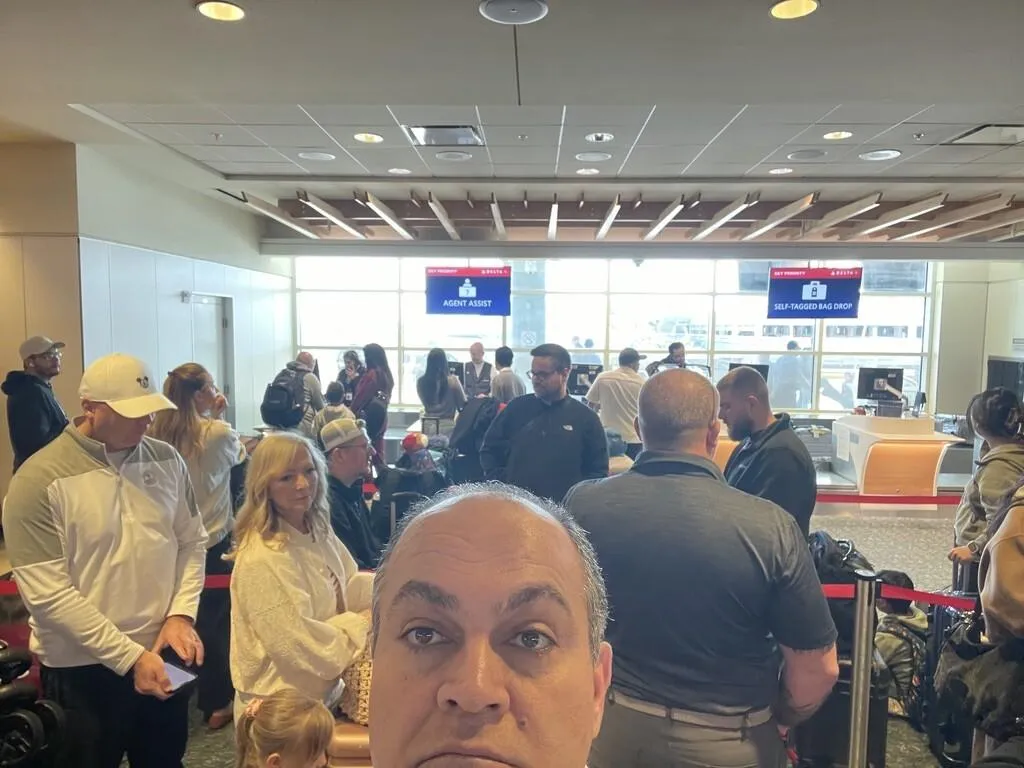
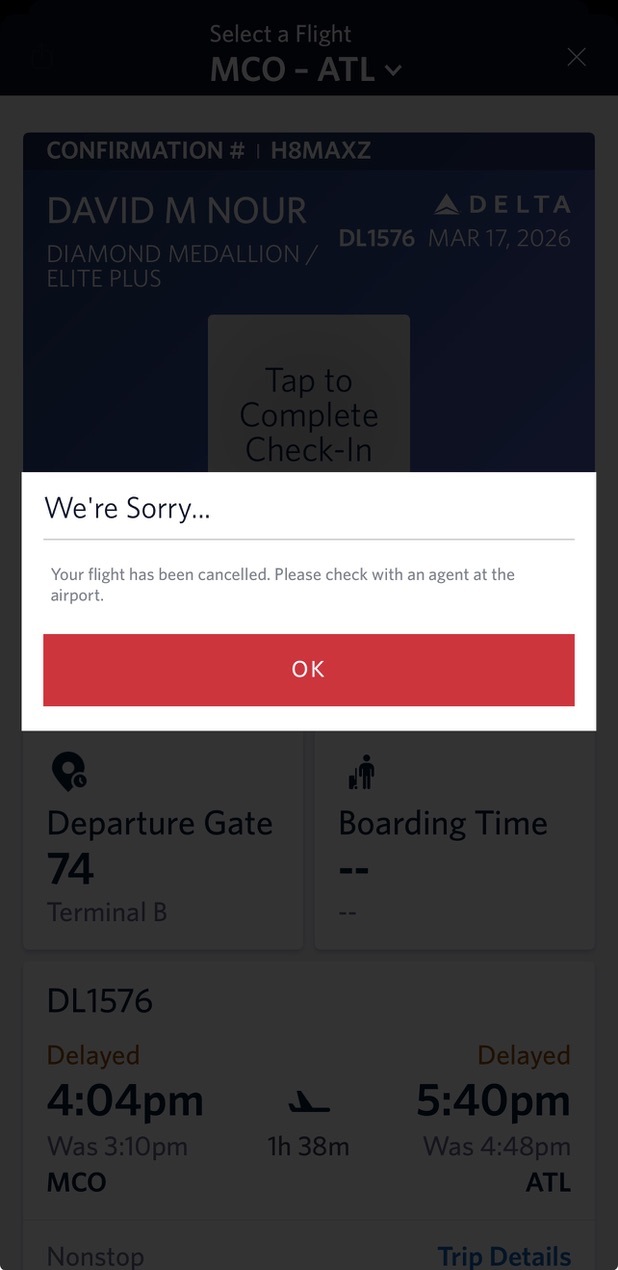
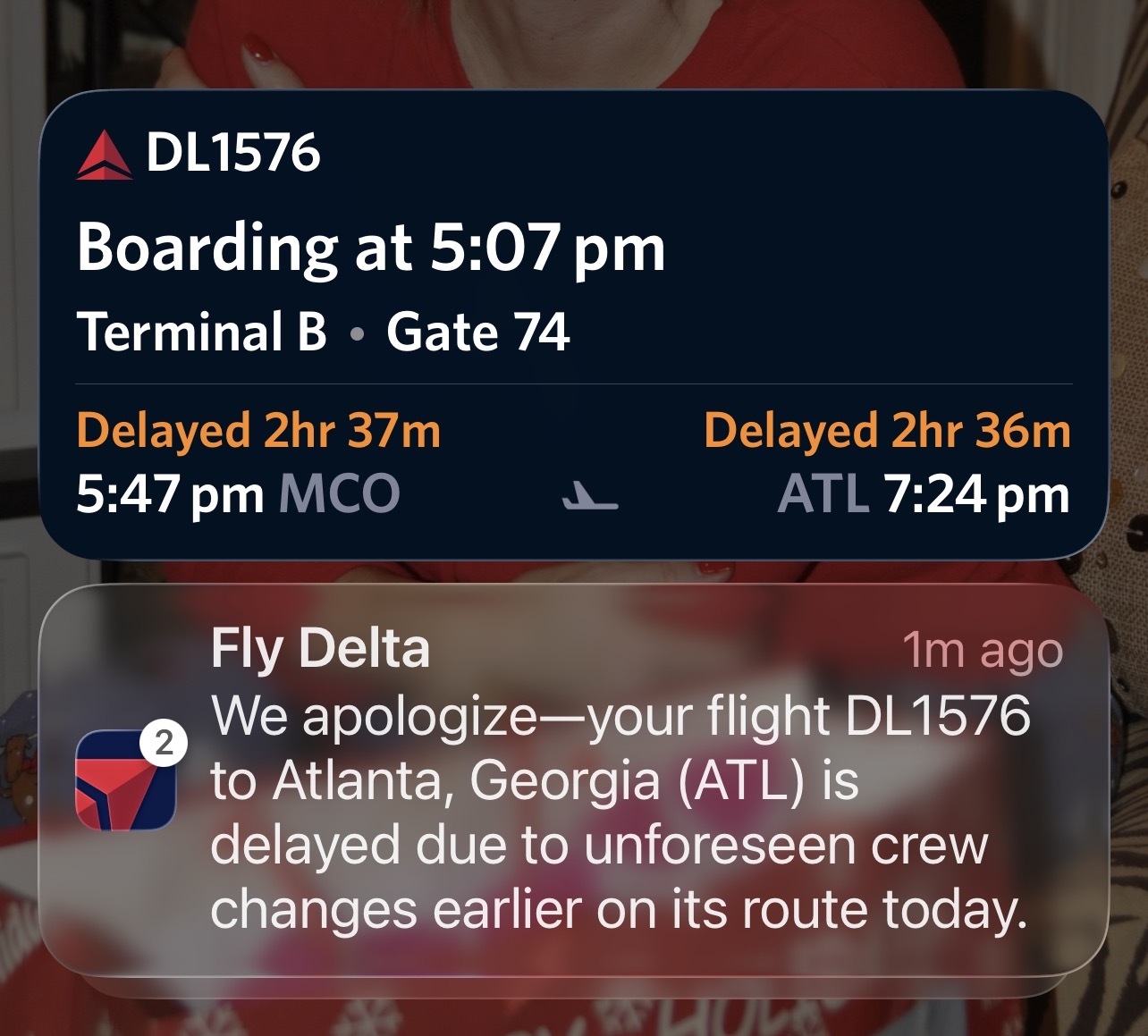
A Sunday evening Delta flight from Atlanta to Orlando ran into severe weather in Florida, causing a series of operational issues—pilot availability, ground stops, and gate congestion. This is common in modern air travel. What’s notable, however, is how predictable this was. Over nine hours at ATL—four delays and two cancellations—the situation gradually worsened. Weather may have been the trigger, but the prolonged uncertainty and lack of clear guidance turned a simple disruption into a draining, frustrating experience. The problem wasn’t the delay itself; it was the lack of early, informed action.
The App That Knew… But Didn’t Help.
Delta’s mobile app had access to all the right signals. It knew the delays were building up. It knew Orlando was under severe operational strain. It probably even estimated the high chance of cancellation long before it became official. Yet, it stayed mostly passive—just describing the situation instead of offering solutions. It told me about delays but didn’t help me find better options. There were no proactive rebooking suggestions, no smart routing tips, no early signs that staying overnight might be unavoidable. When clarity was crucial, the app simply added more friction. This is the strategic gap many organizations fail to close: having data isn’t enough; turning that data into timely, useful guidance is where real value lies.
From Airport Chaos to Hotel Breakdown.
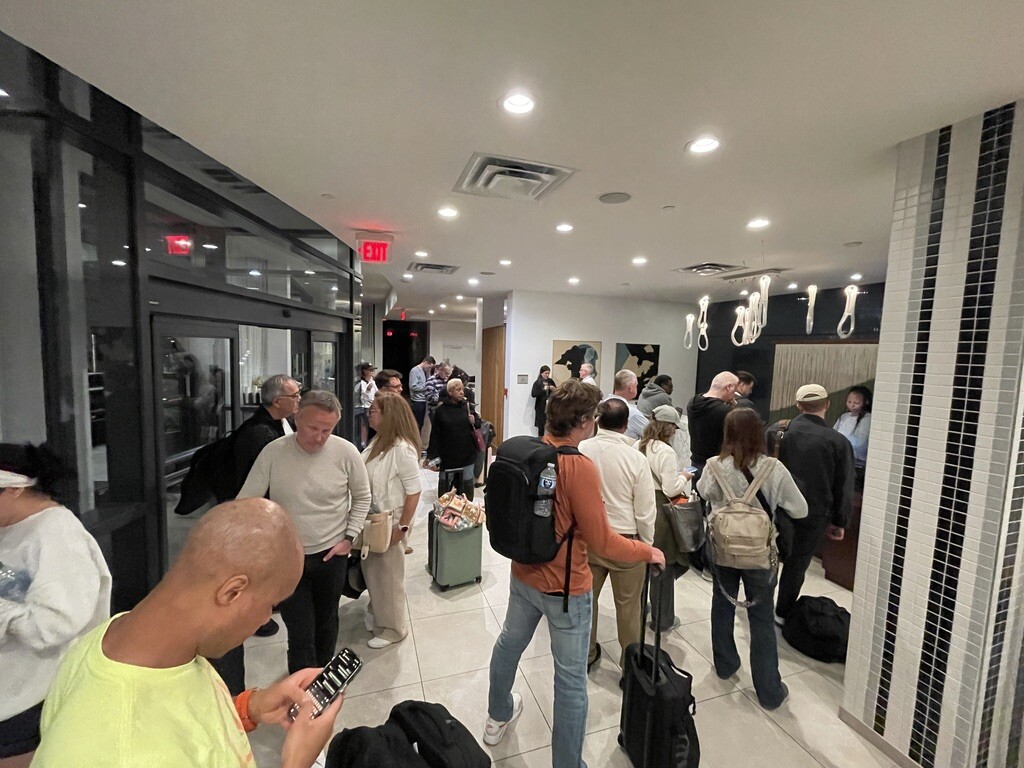
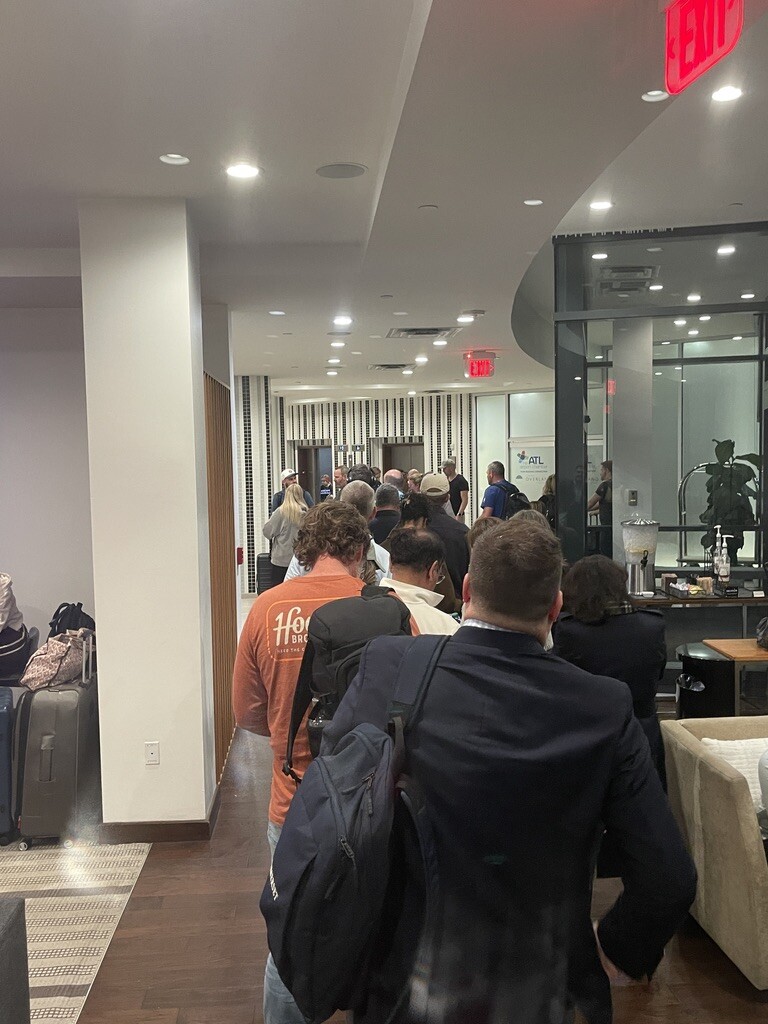
After hours of waiting and eventual cancellations, I joined hundreds of other stranded travelers scrambling for nearby accommodations. I secured a reservation at a Kimpton property, expecting at least a basic level of hospitality. Instead, the experience got worse. After waiting an hour for a shuttle that never showed up, I paid for a cab, only to find a lobby packed with about 75 guests waiting to check in. It took three and a half hours in line to get a room key. This wasn't an isolated failure; it was a systemic lack of preparedness. Hundreds of flights had been canceled out of the busiest airport in the world. This demand surge was not only predictable but also inevitable. Yet, the property only had one employee at the front desk, no visible leadership, and no clear contingency plan.
The Leadership Blind Spot: Reacting vs. Anticipating.
Organizations often claim to be customer-centric, but that claim is truly tested only during moments of disruption. The difference between average and exceptional brands is their ability to anticipate rather than just react. Airlines and hotels have access to extensive, real-time data: weather forecasts, passenger numbers, cancellation patterns, and booking trends. The real question isn’t whether they know what’s coming; it’s whether they act on that knowledge early enough to make a difference. In this case, both the airline and the hotel defaulted to reactive behavior, leaving customers to handle uncertainty on their own.
Mapping the Friction Points.
This experience was not characterized by a single failure but by a series of interconnected points of friction. Customers received information without clear guidance, leaving them unsure of the next steps. Decision-making was delayed, undermining the usefulness of any eventual guidance. The ecosystem was disjointed, with no smooth connection between airline disruptions and hotel or transportation solutions. Staffing models couldn't scale effectively during predictable surges, and leadership was noticeably absent during peak stress moments. These are not isolated issues; they are systemic design flaws in the customer journey that many organizations overlook until they are exposed under pressure.

Descriptive vs. Prescriptive: The Strategic Shift.
Most organizations operate in a descriptive mode, providing updates like “your flight is delayed” or “we’re experiencing high volume.” While accurate, this information does little to ease customer anxiety or improve outcomes. Prescriptive organizations, on the other hand, go a step further. They anticipate likely scenarios and provide actionable recommendations: alternative flights, nearby accommodations, transportation options, and clear next steps. The difference is significant. Descriptive communication reports the problem; prescriptive communication begins to address it. During disruptions, customers don’t need more information—they need guidance.
Two Moves That Would Have Changed Everything.
Two relatively simple interventions could have changed this entire experience.
First, early rebooking features within the app could have detected a high chance of cancellation and proactively offered alternative routes or next-day options within the first few hours of delays. This would have helped customers make informed decisions early, rather than waiting nine hours in uncertainty.
Second, an integrated disruption concierge could have seamlessly connected flight cancellations with hotel availability and transportation arrangements. By offering curated hotel options, pre-arranged transportation, and bundled booking packages, the airline could have turned a chaotic situation into a well-coordinated one. These solutions are not just ideal—they are feasible with current technology and data integration.
What Leaders Must Do Differently.
For leaders working in environments characterized by variability and complexity, disruption is unavoidable. However, preparation is optional. Organizations must go beyond standard operating procedures designed for normal conditions and create surge playbooks for high-stress scenarios. Data investments should focus on predictive signals that trigger action, not just dashboards that display status. Customer journey design must address the “moment of panic”—the point where customers feel a loss of control—and develop interventions that restore clarity and confidence. Frontline teams need the authority and resources to escalate quickly, and leadership must be visible and actively involved during crises. These are not tactical tweaks; they are strategic priorities.
Relationship Economics in Action.
At its core, this experience isn't about flights or hotel check-ins—it's about relationships. Every disruption acts as a test of the trust customers have in a brand. Organizations can either hide behind processes or move forward with solutions. They can inform customers or guide them through challenges. They can handle transactions or build stronger relationships. The choice between these approaches determines whether a moment of failure turns into a moment of loyalty—or results in a lasting loss of trust.
The Real Competitive Advantage.
In industries where products and pricing become increasingly similar, the real differentiator is the experience provided under pressure. When everything goes smoothly, most brands perform adequately.
It's when things go wrong that true leaders stand out. Organizations that invest in anticipation, clear guidance, and seamless recovery will not only reduce disruptions—they will turn challenges into a competitive edge. Because when travel inevitably faces setbacks, customers will remember who made tough situations better—and who made them worse.
